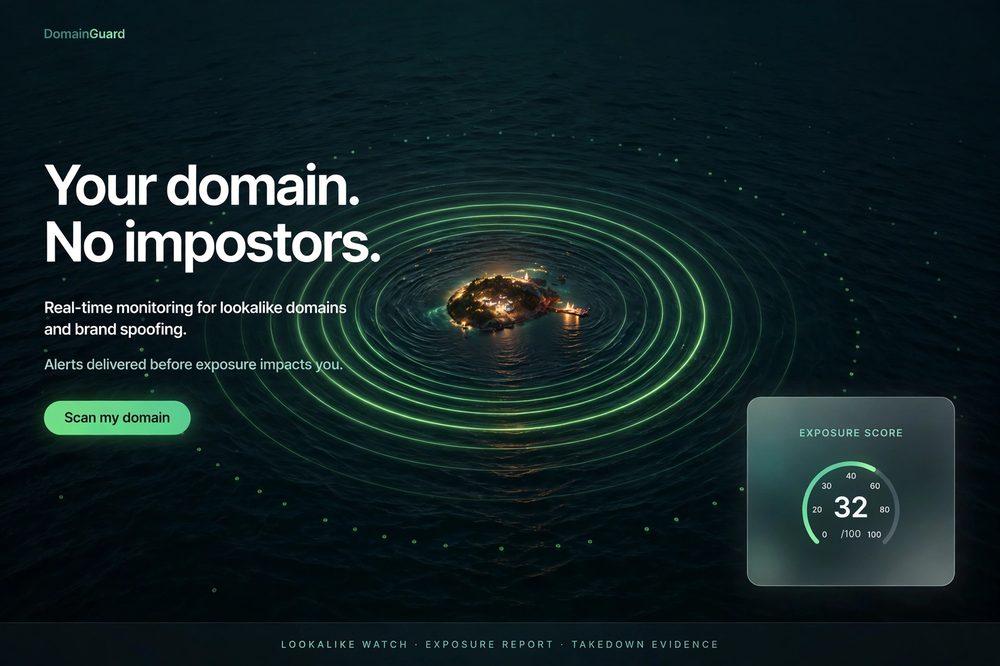
The funnel · Start here
DomainGuard
Domain impersonation defense — find the lookalikes before your customers do. Free scan · Pro $29/mo · Team $79/mo.
Open DomainGuard DomainGuard pricing
Ingenious AI · Thirty-six platforms, one fleet
Security, compliance and monitoring tools for teams that ship AI — each platform free to start, each one working from its own page.
The scan is DomainGuard's free job — no account, no card. Its report is where the fleet begins.
Start with the problem
Pick the thing you cannot afford to lose. Each answer opens the family of platforms built for it — the full gallery stays right below.
Control what your agents can do, stop them being talked into it, and prove what they did afterwards.
Agent SecurityFind the impersonation, intrusion or payment fraud aimed at your business before your customers do.
Business ProtectionMeet every disclosure, provenance and audit duty with records, not recollections.
AI GovernanceMake sure AI shopping agents can find your store, read it correctly, and buy from it.
Commerce IntelligenceChasing invoices, getting paid, and knowing what each AI outcome costs — the tools that keep the business running.
Business AutomationRun the free Agent Flight Test — a short self-assessment that routes you to the test that checks each of your agent's risks for real.
Agent Flight TestTake the free impersonation exposure quiz — seven questions, an instant score and the full recommendations on-page, no email required.
Exposure QuizTry the free AI Intellectual Age Calculator — your experience, task mix and depth of AI use turned into AI-equivalent years, with the maths shown and a shareable result. No sign-in.
AI Intellectual Age CalculatorAlready know what you need? Browse all 36 platforms.
First movement — the funnel
The funnel · Start here
Domain impersonation defense — find the lookalikes before your customers do. Free scan · Pro $29/mo · Team $79/mo.
Open DomainGuard DomainGuard pricing
The funnel · The paid door
Website penetration testing — the fleet's deep scan and the one paid door. Free scan · Pro $49 one-time · Team $149 one-time · Monitoring $29/mo.
Open BreachHunter BreachHunter pricingThe index — the fleet in build order
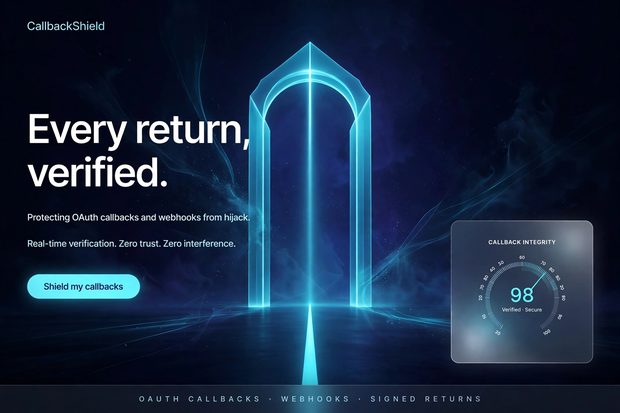


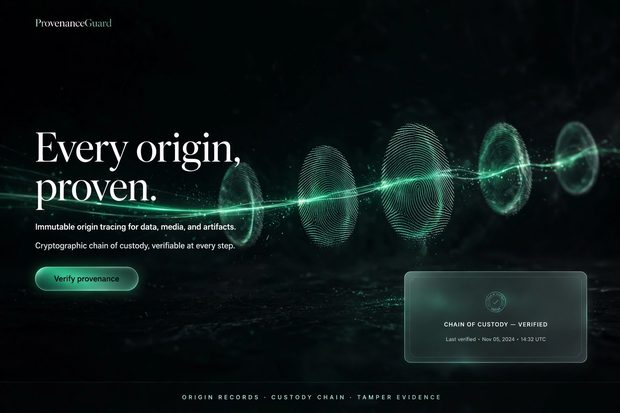









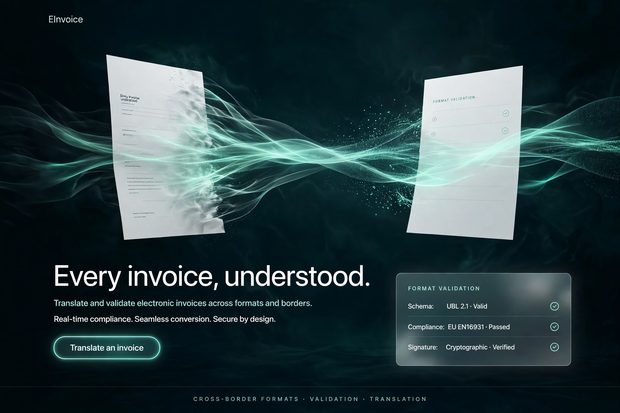




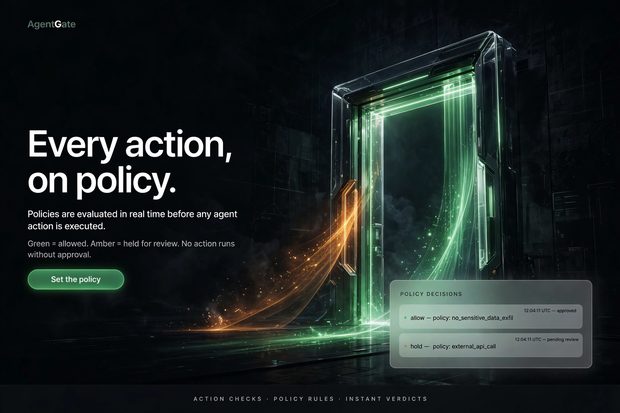
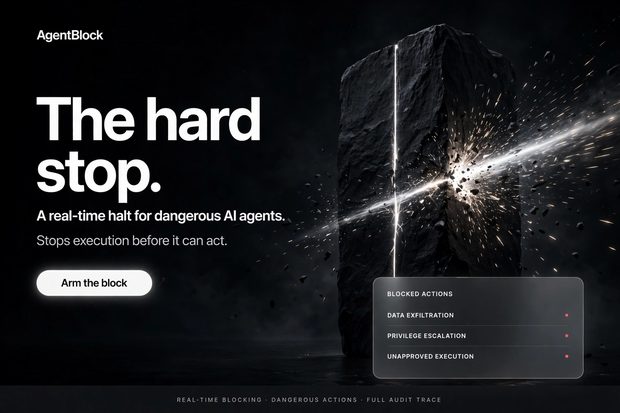
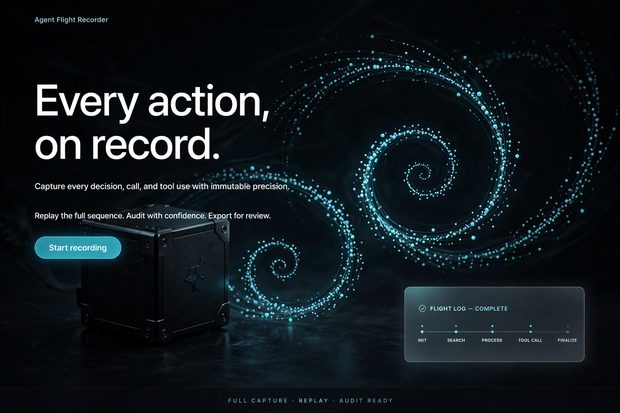
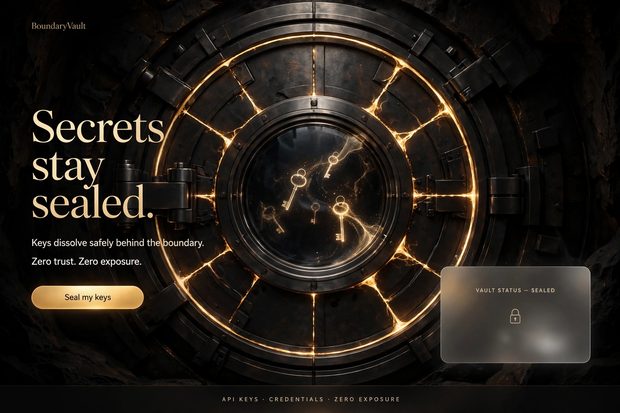
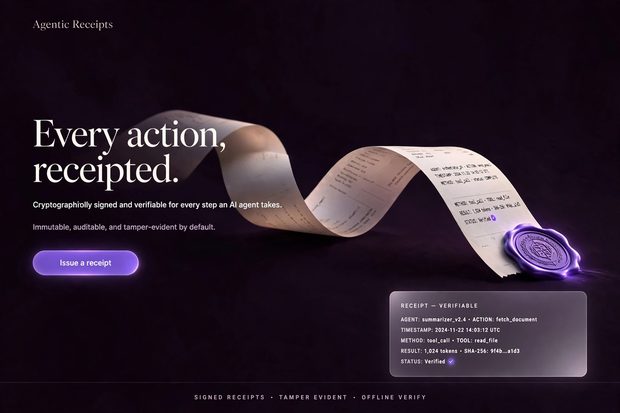
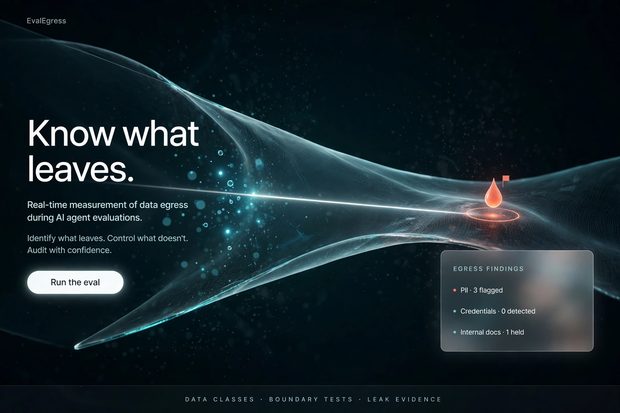
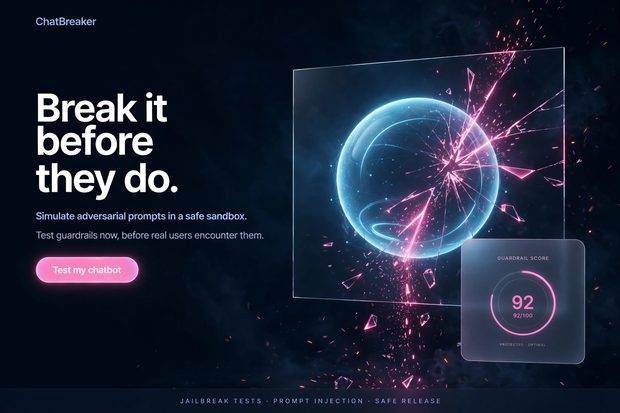
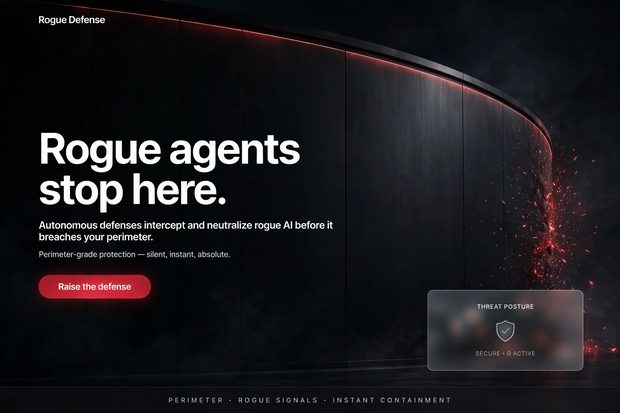




All 36 platforms are also sold as bundles — one order, one key per platform, one delivery email. Bundle orders renew manually.
How most teams start — the funnel
Step 1
DomainGuard checks your brand for lookalike domains and the phishing kits behind them — the complete scan, no sign-up wall.
Step 2
Your findings as a report your team can act on — what is exposed, in what order to fix it.
Step 3
BreachHunter hunts what the scan exposed. Full protection from $49 — one door, no bundle required.
Why teams use these
AI features ship fast and break quietly. In our experience operating this fleet, the failures cluster into a small number of repeatable shapes — and each shape has a different early-warning signal and a different fix. These are the failure points the fleet is organised around:
See all 36 platforms grouped by failure point →
A model your product depends on gets retired on the provider's schedule, an alias silently starts pointing at different weights, or a vendor rewrites its terms — changing data retention or training use in a way that quietly falsifies your own privacy policy. Nothing crashes. Your product just slowly stops being the product you tested, and your compliance file stops being true. The counter-discipline is continuous watching: model inventories, golden-set evals, and terms diffs triaged by clause. Our model deprecation playbook and vendor terms guide lay out the full routine.
An agent with tools is an employee who believes everything it reads. Content it fetches — a web page, a ticket, a document — can carry instructions aimed at it, and a successful prompt injection is executed by your own tooling with your own credentials. Point fixes do not hold; structural ones do: least-privilege tools, egress control, human approval for irreversible actions, and secrets kept out of the model's context entirely. We wrote up the attack taxonomy and the layers that hold in prompt injection defense.
Transparency law — the EU AI Act's Article 50 above all — now asks concrete questions: did the user know they were talking to an AI, was this media marked as generated, who reviewed this text before it informed the public? The teams that struggle are rarely the ones missing a disclosure; they are the ones who cannot prove the disclosure existed, survived distribution, and was reviewed. Our Article 50 guide covers the duties and the evidence trail in worked detail.
After any agent incident, the first question is "show me exactly what it did, in order, with approvals." A plain log edited by anyone with server access is not an answer an auditor accepts. Tamper-evident, hash-chained audit trails are: edit one entry and the chain breaks at exactly that link. The audit trails guide walks a real three-entry chain, edit included.
And outside your own stack entirely: lookalike domains wearing your name, running phishing kits against your customers. They are generated by predictable rules and visible in public certificate records before the campaign starts — if anyone is watching. The lookalike-domain playbook covers detection through takedown.
One tool per failure point is the fleet's answer. The guides are the same answer in prose, free to use whether or not you ever open a platform.
From the guides library
Fourteen platforms that set the limits an agent works inside — what it may spend, which tools it may call, who approves the risky moves — and keep the evidence afterwards.
Guide G1
Who must disclose what, three worked examples, and the evidence trail that proves it.
Read the guideGuide G2
The four attack shapes and the structural layers that reduce injection to a managed risk.
Read the guideGuide G3
The five clauses that move your risk, and a monitoring workflow a small team can run.
Read the guideGuide G4
How fakes are generated, spotted early in certificate logs, and taken down fast.
Read the guideGuide G5
What to record per action and how chaining makes the log tamper-evident.
Read the guideGuide G6
Retirements and silent drift, caught by evals and calendar instead of error logs.
Read the guideComparison guide
They answer different questions — what each tool actually checks, and which one your problem needs.
Read the guideComparison guide
What a free scan sees, what it misses, and when the deeper hunt is worth paying for.
Read the guideCost guide
What audits, scans and penetration tests actually cost — and what drives the price.
Read the guideHow-to guide
The checks that surface impersonator domains before they are used against your customers.
Read the guideBrowse the full guides library — each guide stands on its own and links the platform that handles its problem in production, where the tool genuinely helps.
Questions, answered first
Ingenious AI is a software studio in Belize that builds security, compliance and monitoring tools for teams that ship AI systems. Each platform does one job and has a free tier.
The suite covers AI disclosure compliance, agent security and authorization, chatbot red-teaming, breach hunting, domain impersonation defense, model deprecation alerts, content operations, invoice chasing, payment verification and AI Act notice duties.
Each platform sells on its own pricing page with its own plans. Pick the platform that matches your problem, start on its free tier, and upgrade on that platform when you need more.
Email [email protected] from the address on your account. The contact page says what to include so we can find your account fast.
Prompt drops
The platform facts and prices on this page come from the platforms themselves. Prices stated on this page include DomainGuard Pro at 29 USD per month and BreachHunter Pro at 49 USD one-time. Checked against the sources below in November 2026.